The paperwork handed to someone leaving a police station after an impaired driving arrest usually contains two documents that do very different jobs, and most people read neither carefully on the night they get them. One is a citation or a promise to appear, which starts the criminal case. The other is a notice about the driver's license, which starts an administrative case run by a state agency, not a judge. They travel on separate tracks, at different speeds, and the one that feels less serious is almost always the one that expires first.
Booking, release, and the first pieces of paper
Booking is mostly clerical: fingerprints, a photograph, a property inventory, and a decision about release. Someone arrested on a first offense with no injuries and no outstanding warrants is often released within hours, either on personal recognizance or on a small bail amount posted in cash or through a bondsman who keeps a percentage as a nonrefundable premium. That premium is the first real money, and it does not come back even if the case is dismissed. Add towing and impound storage, which accrue daily, and the arrest has already cost several hundred dollars before any lawyer is called.
The release paperwork will state a court date, or promise one by mail. In Washington, an in-custody defendant typically sees a judge the next judicial day, while someone cited and released may wait weeks for an arraignment notice from a district or municipal court. That gap is misleading. Nothing about the criminal case is urgent during those weeks. Something else is.
The license clock, which does not wait for a judge
A breath test over the legal limit, or a refusal to take one, triggers an administrative suspension separate from anything a prosecutor does. In Washington the notice tells the driver to request a hearing with the Department of Licensing, and the window is measured in days rather than months. Miss it and the suspension takes effect by default, usually on a fixed date roughly thirty days out, regardless of how strong the criminal defense turns out to be. The National Highway Traffic Safety Administration oversees the federal side of impaired driving policy, but these license actions are run entirely by state agencies with their own forms, fees, and deadlines.
Requesting the hearing costs a filing fee, and that fee is charged whether or not the driver wins. It buys two things worth more than the price: the license usually stays valid until the hearing is decided, and the hearing itself puts the arresting officer's report, the breath machine records, and the stop justification on the table months before the criminal court would look at them. Defense attorneys treat that as free discovery. Skipping the hearing to save the fee is the most expensive economy available in the first week.
Hiring counsel while the clocks are still running
The practical consequence is that the decision about representation gets made under time pressure created by the license case, not the court case. Most people schedule consultations in the days after release, and the useful ones are specific: who handles the license hearing, whether it is included in the quoted fee or billed separately, how many similar cases the office has tried in the same courthouse, and what happens to the fee if the case resolves at the second hearing instead of the tenth. A firm advertising as a DUI Attorney Seattle should be able to answer all four in one sitting, without hedging.
Fee structures vary, but the shape is consistent. A flat fee covers the pretrial phase through motions and negotiation, with trial fees quoted separately and expert witnesses billed on top. Public defense is available to those who qualify financially, and the qualification screening happens at or before arraignment, which is another reason to know the arraignment date early. The cost of waiting is not just anxiety. It is the loss of the license hearing option, which cannot be reopened later.
Arraignment, and what the first court date actually is
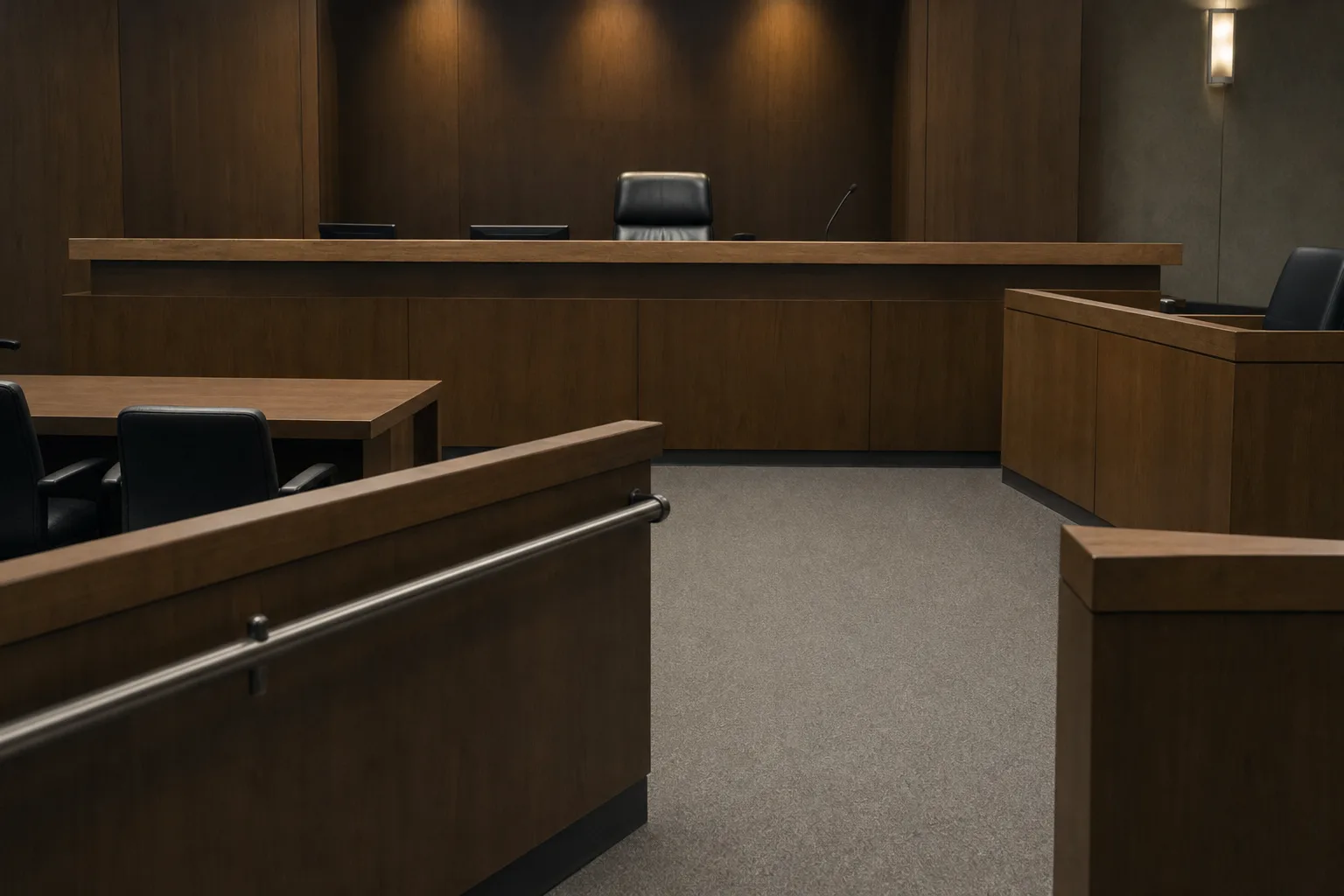
Arraignment is short. The charge is read or waived, a plea of not guilty is entered as a matter of course, conditions of release are set, and the next date is scheduled. Conditions often include no driving without a valid license and proof of insurance, alcohol monitoring in some cases, and an ignition interlock device requirement that carries installation and monthly lease costs paid by the driver. None of that is a finding of guilt. It is the court managing risk while the case develops, and it typically stays in place for months.
By the end of the first month, then, the ledger usually reads: bail premium, impound charges, a hearing filing fee, an attorney retainer or a public defender appointment, and the standing cost of an interlock device if one was ordered. The criminal case has barely begun. The license case may already be resolved one way or the other, which is precisely why the calendar matters more than the courtroom during those thirty days.
Anyone reading a release packet at a kitchen table should find the earliest date printed anywhere on it and work backward from there. That date is rarely the court date. Knowing which deadline governs is what turns a chaotic month into a sequence of manageable decisions, each with a known price attached.